Coffee Layered Design
For designers seeking to elevate their visual storytelling, Coffee Layered Design offers a unique approach that blends aesthetic appeal with functional clarity. This design concept uses multiple layers of imagery, typography, and color to create depth and dimension, making it ideal for a wide range of creative projects. Whether you're working on branding, digital marketing, or print materials, understanding how to implement layered designs can significantly enhance your work.
Understanding Coffee Layered Design
Coffee Layered Design is more than just a visual trend; it's a strategy that helps communicate complex ideas through structured composition. By layering elements such as text, graphics, and backgrounds, designers can guide the viewer's eye and emphasize key messages. This technique is particularly effective in creating engaging social media content, editorial layouts, and UI/UX interfaces where visual hierarchy plays a crucial role.
The use of layered designs also supports modern aesthetics by adding texture and interest without overwhelming the viewer. It allows for a balance between simplicity and sophistication, making it a valuable tool for both digital and print mediums.
Practical Applications in Graphic Design
In branding and logo design, Coffee Layered Design can help create memorable identities that stand out in a crowded market. By incorporating subtle textures or background elements, logos become more dynamic and visually compelling. This approach also enhances brand consistency across different platforms, ensuring a cohesive look and feel.
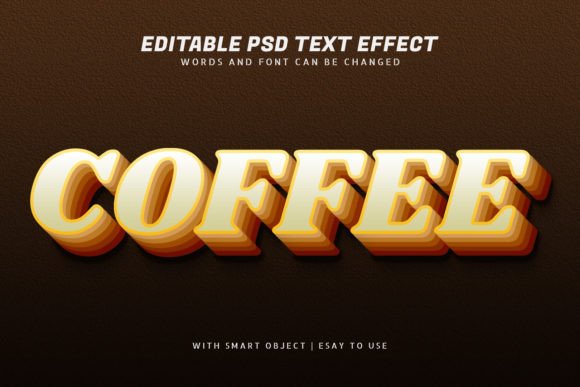
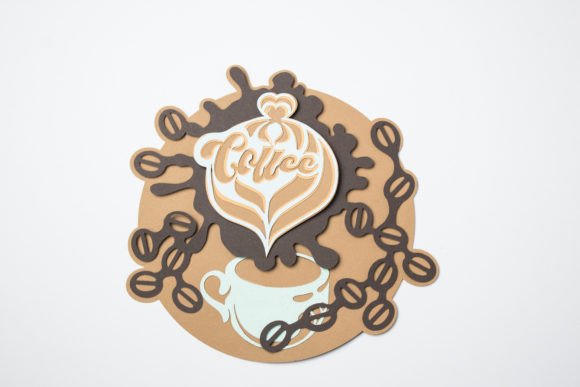
Marketing materials benefit from layered designs by offering a more immersive experience. From brochures to email campaigns, thoughtful layering can improve readability and engagement. For instance, using a coffee-themed template with layered illustrations can reinforce brand messaging while maintaining a professional appearance.
- Enhances visual storytelling
- Improves user engagement
- Supports brand consistency
Design Tips for Effective Layering
When working with layered designs, consider the purpose of each element and how they interact. Start with a strong foundation—such as a clean background or subtle pattern—and build upon it with complementary graphics and typography. Ensure that text remains legible and that the overall composition doesn't become cluttered.
Consistency is key. Choose a color palette that aligns with your brand identity and use it strategically across all layers. Similarly, select fonts that complement the design's mood and maintain a clear visual hierarchy. This not only improves aesthetics but also strengthens the message being conveyed.
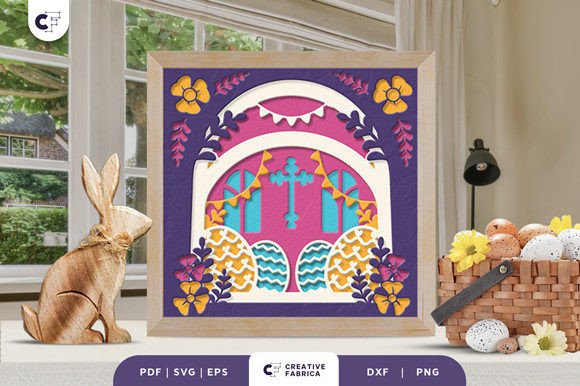
For those looking to incorporate Coffee Layered Design into their workflow, accessing high-quality templates can streamline the process. The downloadable package includes formats like SVG, PDF, EPS, PNG, and DXF, allowing for flexibility across different design needs. Detailed instructions ensure that even beginners can achieve professional results.
Whether you're designing for print, web, or digital platforms, the principles of layered design remain relevant. By focusing on clarity, balance, and creativity, you can transform ordinary visuals into impactful experiences that resonate with your audience.