3D Male Character Doing Jogging: A Versatile Asset for Design and Communication
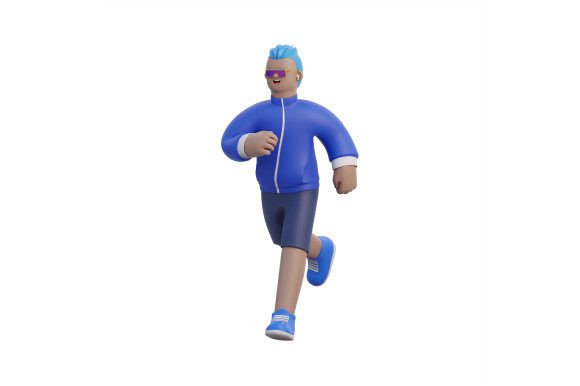
The 3D male character doing jogging is a digital asset that represents a human figure in motion, specifically engaged in the activity of running. This visual element is widely used across multiple industries, from animation to web design, offering a dynamic and engaging way to convey action, energy, and movement. Whether you're creating an animated sequence, designing a website, or developing a presentation, this character can serve as a powerful tool to enhance your message.
Understanding the Role of 3D Male Character Doing Jogging in Workflows
In many creative and professional workflows, the 3D male character doing jogging acts as a visual placeholder or a representation of physical activity. It can be integrated at various stages of a project, depending on the needs of the team or individual. For instance, during the planning phase, it may help visualize a scene or concept before finalizing designs. In the execution phase, it can be part of a larger animation or interactive media piece. After production, it may appear in marketing materials, social media content, or educational resources.
This character is particularly useful when the goal is to communicate movement without relying on live-action footage. It provides flexibility in terms of style, scale, and context, making it adaptable to different platforms and formats.
Use Cases Across Different Industries
One of the key strengths of the 3D male character doing jogging is its versatility. It can be applied in a wide range of scenarios:
- Web Design: Use the character to illustrate fitness-related websites, health apps, or wellness platforms. It adds a sense of dynamism and relatability.
- UI Design: Incorporate the character into user interfaces to guide users through interactive elements, such as fitness trackers or exercise programs.
- Presentation Slides: Enhance slides with the character to demonstrate movement, progress, or activity in a visually engaging way.
- Posters and Marketing Materials: Create eye-catching visuals for gym promotions, sports events, or fitness campaigns.
- Animation: Integrate the character into short animations, explainer videos, or storytelling sequences to bring scenes to life.
Each use case benefits from the character’s ability to convey action and energy while maintaining a consistent visual style.
Integration with Other Tools and Resources
The 3D male character doing jogging often works alongside other design assets, software, and platforms. For example, it may be imported into 3D modeling tools like Blender or Maya for further customization. It can also be used in conjunction with motion graphics software such as Adobe After Effects to add animation and transitions.
When working with teams, it’s important to ensure compatibility between file formats and software versions. Standardized formats like FBX or OBJ make it easier to share and integrate the character across different projects. Additionally, maintaining a library of reusable assets can improve efficiency and reduce duplication of effort.
Practical Implementation Tips
To get the most out of the 3D male character doing jogging, consider the following tips:
- Define the Purpose: Before using the character, clarify its role in your project. Is it for illustration, animation, or interaction? Knowing the purpose helps determine the level of detail and customization needed.
- Choose the Right Style: Select a style that aligns with your overall design language. Whether it's realistic, stylized, or abstract, consistency is key to maintaining a cohesive look.
- Optimize for Performance: If the character will be used in interactive applications or real-time environments, ensure it’s optimized for performance. This includes reducing polygon count and managing texture sizes.
- Test in Context: Place the character in the actual environment where it will be used. This helps identify any issues with scaling, lighting, or perspective.
- Document Usage: Keep track of how and where the character is used. This documentation can be valuable for future projects or collaborations.
By following these steps, you can ensure that the 3D male character doing jogging enhances your work rather than complicates it.
Workflow Examples and Observations
Consider a scenario where a designer is creating a fitness app. The 3D male character doing jogging could be used to illustrate the app’s interface, showing users how to navigate through workout routines. The character might also appear in tutorial videos or motivational messages within the app.
In another example, a marketer might use the character in a social media campaign promoting a new running shoe. The character could be featured in a short video demonstrating the product’s features, such as cushioning or breathability. This approach combines visual storytelling with product information, making the campaign more engaging and informative.
For educators, the character can be a useful tool in teaching anatomy, movement, or sports science. By animating the character performing different exercises, students can better understand biomechanics and proper form.
Factors to Consider for Long-Term Use
When planning to use the 3D male character doing jogging over time, several factors should be taken into account:
- Consistency: Maintain a consistent style and quality across all instances of the character to avoid visual dissonance.
- Scalability: Ensure the character can be adapted to different screen sizes, resolutions, and platforms without losing clarity or impact.
- Updates and Maintenance: Regularly review and update the character as needed to reflect changes in design trends, technology, or project requirements.
- Legal and Licensing: Verify that the character is properly licensed for the intended use, especially if it will be distributed or modified.
These considerations help ensure that the character remains a valuable and effective tool over time.
Conclusion: Leveraging 3D Male Character Doing Jogging for Effective Communication
The 3D male character doing jogging is more than just a visual asset—it’s a practical tool that can enhance communication, engagement, and creativity across a variety of projects. Whether used in design, animation, marketing, or education, it offers a flexible and dynamic way to represent movement and action. By understanding its role, integrating it effectively, and considering long-term use, professionals and creators can make the most of this valuable resource.